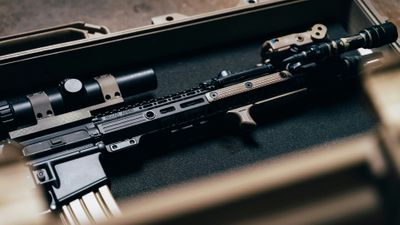
California treats firearm cases as high-stakes, high-leverage prosecutions. Even when there’s no allegation the gun was fired, prosecutors routinely file gun charges to (1) increase exposure, (2) trigger custody, and (3) force unfavorable plea pressure. The statutes are also technical—people get charged for paperwork, configuration, location, or status issues, not just “having a gun.”
This page lays out how California gun laws work at a practical level, what’s most commonly charged, and what those charges typically turn on.
(Note: The Supreme Court of the United States has recently submitted new opinions on the validity of certain gun laws; at least two of those opinions affect California laws and are being evaluated and are currently being reviewed under appeal)